

A pet flap will allow your cat to be free and safe, whether walking around the garden or looking for their territory from the sky. They are fairly inexpensive to buy and can be incorporated into many different areas.
A professional's help will ensure that your pet flap is installed correctly, and that your surface remains in good shape. These professionals are trained to recognize signs of damage or corrosion and repair it in the appropriate manner.
The wall type or door
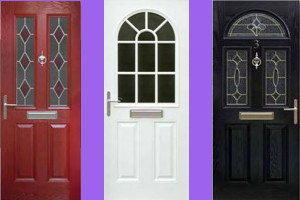
A cat flap specialist can fit a pet flap on pretty much any kind of door, be it wood, uPVC or composite. They can also install them in other surfaces, like external walls or glass. However, these types of installations can cost a bit more, as they are usually more complex than standard doors.
The kind of wall or door that the pet flap is being placed into will also impact on the price. Some flaps are more difficult to cut than others, which may increase the cost of labour. Furthermore, some pet flaps are more expensive than others and can contain features such as a lockable mechanism or even microchip technology.
After you have decided the best place to put your pet flap, it is recommended to measure and mark up the area with the help of a pencil. This will help ensure the flap is placed in a proper way and is not too high or low. It is an excellent idea to ensure that your cat can easily get through the door without bumping into things at the opposite end.
You can teach your pet to go through the door before it is installed. You can start by having them sniff and rub the flap and door, and then leaving some treats or toys near. If you have a wary pet, you can try to numb them to the door and keep your sessions short. This will prevent them from refusing to enter or even trying to block it.
You should select an animal flap that is suitable for your pet as well as your home. A traditional cat flap is a budget-friendly option that is functional and basic. However the lockable pet door lets you determine the time that your pet can be allowed to enter and leave. Other options include microchip pet door, fully insulated doors, and the bite-proof cat door.
A cat flap is a fantastic way to prevent your pet from getting into the garden or into rooms where they are not desired. If you're not cautious when installing the flap the flap could cause damage to your door or cause draughts in your home. You should always employ an expert installer to install your cat flap. This will ensure that you don't damage your property or lose your no-claims bonus with your insurance provider.
What kind of pet flap would be the best?
The type of pet flap you choose will affect the cost. Plastic or PVC frames are generally the least expensive, whereas aluminum and stainless-steel frame types cost more. These options are also a bit more durable, which means they will last longer. Also, you should be aware of the size of the pet to make sure that it will be able to fit through the pet door.
Basic manual cat or pet flaps are simple flaps with springs that allow for entry and exit. This is the cheapest option, but you have no control over who is allowed to enter or leave your home. There are more sophisticated flaps that can be programmed to allow certain animals to use the door.
Many people try to install their own pet flaps, but it's something best left to professional tradesmen. It is possible to damage your wall or door by trying to install a pet flap. This could result in costly repairs. It can also impact your home's energy efficiency and security. It may also be difficult to locate the correct flap for your home.
Ask a pet store for advice if aren't sure what type of pet flap you need. They will be able to tell you what kind of pet flap is suitable for your requirements and offer samples to test. Once you've chosen a style and a professional has installed the pet flap.
Another issue that is common with pet flaps is that they could become unresponsive, which is usually caused by a malfunction in the microchip reader. If you are experiencing this issue, make sure to see if the microchip is functioning and if the door is operating properly.
It is possible to ask a veterinarian or animal behaviorist to assist you if are having issues with your pet's flap. They can offer suggestions on how to train your pet to use the flap. For instance, you could start by exploring the flap from different angles. This will help your pet become used to the dimensions and shape of the flap. It will also help to encourage your child to leave and enter the house by gradually taking the gate off.
The type of installation
When it comes time to install a cat flap in your home, there are various options available. They range from simple flap doors to microchip-activated cat flaps. You can also buy one with an integrated weather seal which can help stop drafts and help keep your energy bills down. However, they can be more expensive. It is important to select the type of installation which suits your needs and budget.
It is best to hire a professional to install the cat flap rather than to attempt to do it yourself. This will ensure the job is done properly and won't result in any future problems. When installing a cat flap, you must be aware of any possible safety hazards. If you plan to install the flap onto brick walls, it is important to ensure that there aren't any pipes or electric cables (gas water, waste or gas) close to the wall prior cutting.
It may take a while for your cat to get used to the cat flap, regardless of the kind you pick. It is possible to get them to use the flap with positive reinforcement methods, such as playing and giving treats. It is also important to clean the flap of your cat's cage to remove any dirt or other debris that could cause damage to it.
A classic cat flap is one of the most basic kinds and is usually the most affordable option. It is fixed to your door, and has a two-way swinging flap that lets your cat to enter and leave the home without having to push on the door. The downside to this is that it could permit other animals, and even burglars into your home.
A cat door that is locked offers more security, as it is only opened through the collar's microchip or transmitter. This will stop your pet from being snatched away or enticed by neighbors and friends, and it can also be used to keep stray cats away from your garden. This is a great solution for those who are away from home for a prolonged time or want to stop robbery.
Additional expenses
Cat flaps are an essential safety feature for pet owners who wish to allow their pets the freedom to roam at their own pace. However, the cost of installing a cat flap can be costly and it is important to budget your money when you're considering installing a pet flap near me. It may be worth hiring an expert to help determine the cost and make sure that you have the right size and type of cat flap.
The overall price can also be affected by the type of wall or door that the pet flap is installed in. A cat flap installed in the form of a UPVC or wooden door will cost more. Even installing a pet door inside the conservatory may be more expensive since it requires cutting a brand new glass panel.
You can select from a variety of sizes based on the size of your cat. RepairMyWindowsAndDoors include smaller PVC or pet doors made of plastic which are less expensive and can be easily upgraded as your pet grows. Others are more sophisticated, such as the 'Sureflap microchip-operated pet flaps that allow you to control your pet's access to your property via an app on your smartphone.
Think about whether you need the use of a pet flap locking system that could be an additional expense. This can prevent unwanted guests and unruly neighbors from entering your home via your cat's flap. The locks can be combined with an infrared sensor that recognises the unique frequency of your cat's collar infrared and allows only your pet to enter.
Once your pet has been fitted with a brand new cat flap, it's recommended to help them to make use of it by showing them how it functions. You can do this by standing on the opposite side of the door and bribing them by offering a treat or reward each time they use it. This will allow them to become more comfortable using the flap for cats and increase the likelihood that they'll use it regularly in the future.